Cat Metal Wall Art Review
As an embroidery designer and product reviewer, I’ve evaluated countless machine embroidery designs, from simple monograms to intricate patterns. Cat Metal Wall Art stands out as a unique digital file that offers creative potential but requires careful consideration before use in real projects.
The First Impression: A Bold Statement for Wall Decor
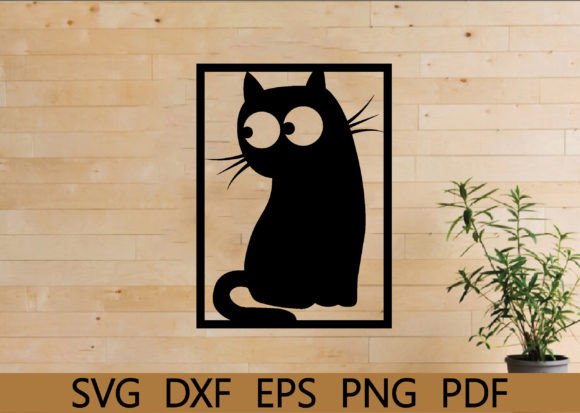
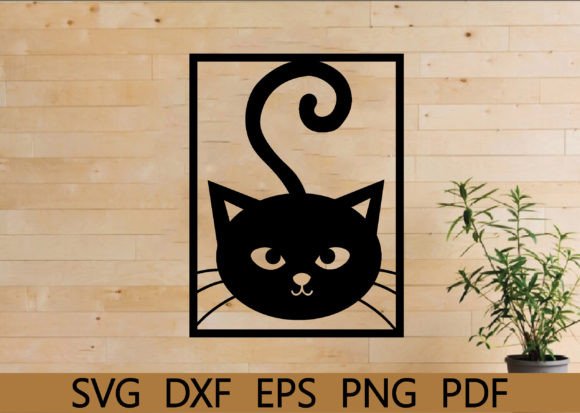
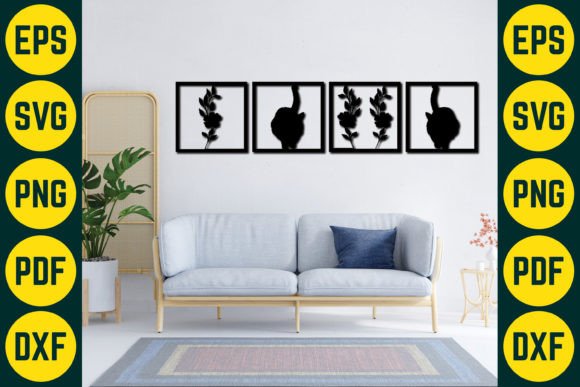
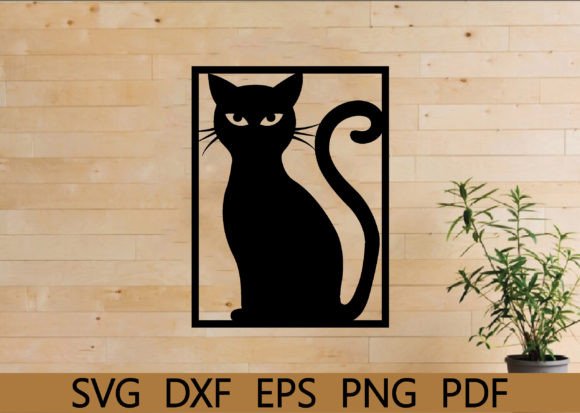
From the moment I opened the Cat Metal Wall Art SVG file, I was struck by its clean, modern aesthetic. The design features a stylized cat silhouette with sharp edges and minimal detailing—perfect for laser cutting or CNC routing. Its visual personality is sleek and contemporary, making it ideal for home decor, wall signs, or metal-based crafts.
The layout is straightforward, with a central focus on the cat’s form. It lacks intricate textures or shading, which means it’s more of a graphic than a detailed illustration. This simplicity makes it versatile for different applications, but it also means the design relies heavily on the materials and techniques used to bring it to life.
Real-World Embroidery Applications
When considering how Cat Metal Wall Art would translate into an embroidery project, I imagined using it as a custom embroidered patch for a tote bag or a sweatshirt. The design’s sharp lines and geometric shapes make it suitable for applique or satin stitch work, especially when paired with contrasting thread colors.
For example, if I were designing a holiday gift for a pet lover, I might use this design on a felt pillow cover or a decorative apron. The bold shape would stand out without overwhelming the fabric. However, I’d need to ensure the hoop size is large enough to accommodate the entire design, as smaller hoops could lead to stitching errors or incomplete results.
This design also works well for small business owners looking to create handmade products. Etsy sellers or craft fair vendors could use it as a printable mockup for their listings, offering customers a clear preview of the final product. But again, testing on actual fabric is essential to see how the design behaves in real-world conditions.
Where to Use With Caution
While Cat Metal Wall Art is visually appealing, there are situations where it may not perform as expected. For instance, on thin or stretchy fabrics, the design’s sharp edges could become distorted or lose definition. Similarly, on dark backgrounds, the embroidery may not show up as clearly unless the thread color is carefully chosen.
Small hoop sizes can be problematic, as they may force the design to be split into sections, leading to misalignment. If I were using this on a cap or a curved surface, I’d need to adjust the design or use a larger hoop to avoid complications. Tiny lettering or detailed corners might also be challenging, depending on the machine’s capabilities and the stabilizer used.
For commercial embroidery projects, I’d recommend verifying the licensing terms before selling finished items. While the design itself seems straightforward, the intended use and distribution rights aren’t specified, so it’s best to confirm these details before proceeding.
Impact on Visual Appeal and Customer Perception
Embroidery projects that incorporate Cat Metal Wall Art have the potential to look professional and polished, especially when executed with care. The design’s simplicity allows it to be a strong focal point without requiring excessive stitch density or complex techniques.
However, if the design is poorly executed—such as with incorrect thread colors or insufficient stabilizer—it could appear cheap or unrefined. This is particularly important for handmade products meant for sale, where first impressions can significantly impact customer trust and satisfaction.
For personalized gifts or boutique merchandise, the design could add a unique touch that resonates with buyers. But it’s crucial to maintain consistency with the overall brand image. If the design doesn’t align with the shop’s style, it may feel out of place or reduce the perceived value of the finished product.
Practical Designer Notes
Before committing to any embroidery project, I always recommend testing the design on scrap fabric. This helps identify potential issues with stitch density, thread color contrast, or fabric texture. For Cat Metal Wall Art, I’d suggest trying it on both light and dark backgrounds to see how it performs in different settings.
Using a proper stabilizer is also key, especially for delicate or stretchy fabrics. Without it, the design might pucker or distort during stitching. Additionally, checking the hoop size is critical—if the design is too large for your machine, you may need to adjust it or split it into sections.
If you’re planning to sell finished items or digital products, make sure to review the licensing terms. Even though the design appears to be a simple SVG, the rights to use it commercially may vary depending on the source. Always confirm these details before proceeding.
Finally, consider how the design will look in a printable mockup. If you’re creating a digital product for resale, the mockup should accurately represent the final embroidery. This helps set expectations and increases buyer confidence.
Conclusion: A Strong Foundation for Creative Projects
Cat Metal Wall Art is a versatile design that can serve as a solid foundation for a variety of embroidery projects. Its clean lines and modern appeal make it suitable for home decor, custom apparel, and handmade gifts. However, like any machine embroidery design, it requires thoughtful application to achieve the best results.
For designers and small business owners, this SVG file offers a great starting point—but it’s up to the creator to bring it to life with the right techniques, materials, and attention to detail. Whether you’re working on a personal project or a commercial product, Cat Metal Wall Art has the potential to add value and visual interest when used correctly.